✉️ Frank's Five — Issue No. 4
Friday, June 26, 2026 • This week's theme: The Kitchen Shelf
Morning, friend. This week the almanac heads to the pantry. Everything below can be verified without leaving your kitchen, though one item would require a trip to a pharaoh's tomb, and Frank advises against helping yourself.
🥇 The Headliner
Honey is, for practical purposes, the food that does not die, and the chemistry behind it is a small marvel. First, honey is extremely low in moisture — bees fan it with their wings until most of the water is gone — and almost nothing can grow without water. Second, it's acidic enough to discourage most bacteria. Third, as Smithsonian Magazine explained in a much-loved 2013 piece on honey's eternal shelf life, bees add an enzyme (glucose oxidase) as they process nectar, and that enzyme produces small amounts of hydrogen peroxide — the same stuff in the brown bottle in your medicine cabinet.
The result: sealed away from air and moisture, honey simply waits. Egyptologists excavating tombs have turned up honey vessels roughly 3,000 years old with the contents still good. Your jar in the cupboard may crystallize and turn grainy — that's not spoilage, just sugar getting organized. Set it in warm water and it comes right back.
Frank's practical takeaway: honey has no expiration date, and any label claiming otherwise is a lawyer talking, not a bee.
🔢 Four More Beauties
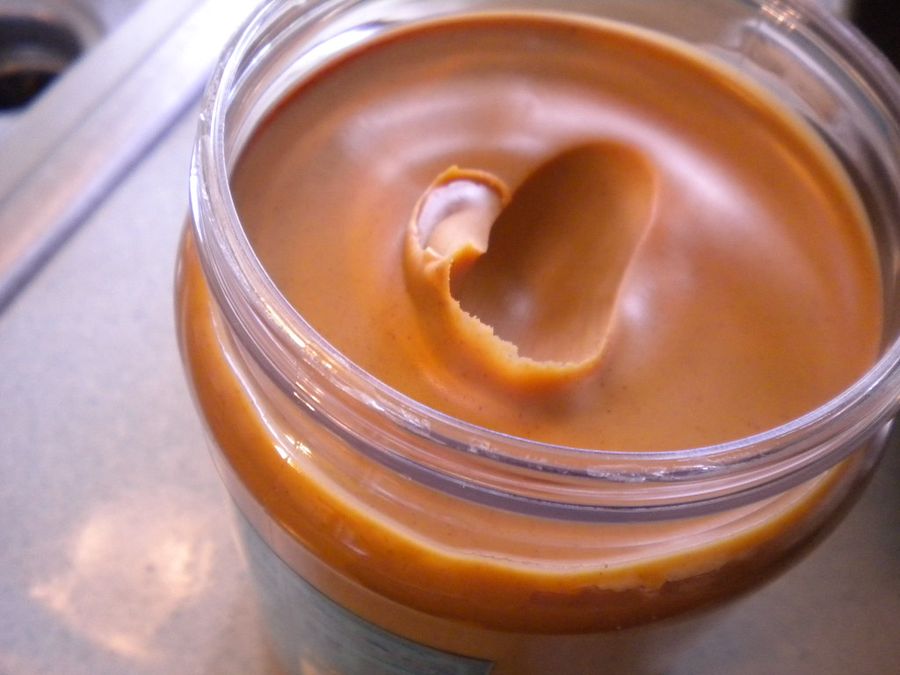
- No. 2 Peanuts aren't nuts. They're legumes — kin to peas and lentils — and they grow underground, which no self-respecting tree nut would be caught doing. — Food Facts
- No. 3 In the 1830s, ketchup was sold as medicine. An Ohio physician named John Cook Bennett promoted tomato ketchup as a cure for ailments like indigestion, and tomato pills followed. The claims didn't hold up; the condiment did. — Food Facts
- No. 4 White chocolate contains no cocoa solids — only cocoa butter, plus sugar and milk. That's why it's white, and why chocolate purists file it under "adjacent." — Food Facts
- No. 5 Carrots weren't originally orange. Early cultivated carrots were mostly purple, white, or yellow; the orange carrot was developed by Dutch growers around the 16th and 17th centuries and took over the world. — Food Facts
🚫 The Weekly Debunk
"Sugar makes kids hyperactive." FALSE — Frank checked
This one surprises everybody, including Frank, who checked it twice extra. In careful double-blind studies — where neither the children, nor the parents, nor the observers knew who actually got sugar — sugar showed no effect on children's behavior or attention. A 1995 meta-analysis in the Journal of the American Medical Association pooled the trials and came up empty.
The best part: in one study, parents who were told their kids had eaten sugar rated them as wilder — even when the kids had gotten a sugar-free placebo. The rush is real, friends; it's just happening in the grown-ups. Birthday parties are chaotic because you've put twelve children in one room with balloons, not because of the cake.
❓ Frank's Stumper
First, the answer to last week's Stumper (which pair lived closer in time?): T. rex and you. Stegosaurus roamed about 150 million years ago; T. rex didn't show up until roughly 66–68 million years ago. That's an 80-million-year gap between the two dinosaurs — but only about 66 million years between T. rex and your breakfast table. The "age of dinosaurs" was long enough to hold that whole trick inside it.
This week's Stumper: In 1962, John Glenn became the first American to eat in space. What was the food?
Answer revealed in next Friday's email. Hint: it came out of a tube, and it was not toothpaste.
« Issue No. 3: Words, Words, Words | Back to the Archive | Issue No. 5: Look Up »